Taking Out the Trash: Combating Plastic Pollution in Java


Beach clean up by Trees4Trees team
Taking Out the Trash: Combating Plastic Pollution in Java

Plastic waste on shorelines and riverbanks can be a depressing sight. But the trash we see is just the tip of the iceberg. It’s estimated that 400 million tons of plastic are produced annually. And around 14 million tons of it ends up in the ocean. That’s the equivalent of two garbage trucks of plastic dumped into the sea, every minute of every day. For a year. 

This tide of trash doesn’t just come from the coast. Garbage from inland is swept into waterways and rivers by rain and wind (and people), then transported to the sea. But its journey doesn’t end there.  

When plastic waste enters the ocean, it also enters the food chain. Plastics are eaten by marine life, causing severe injuries and death.  

Plastics also poison the environment itself. These materials are especially deadly to mangrove forests, as they entangle and choke the roots, reducing oxygen levels in the soil and causing the slow demise of plants and the animals that rely on them for food and shelter.

Turning the Tide on Trash 

Tackling plastic waste is a big challenge. But solutions are out there, and every little helps. Working with a team of partners and volunteers, Trees4Trees recently got to work on a beach clean-up program spanning 1.2 miles (2 km) of mangroves and coastal ecosystems near Dukuhseti Village in Central Java’s Pati Regency. The activity was part of Trees4Trees’ 15th anniversary celebrations and were timed to coincide with World Ocean Day and World Environment Day. 

Mustofa is one of Trees4Trees’ local partners. During the clean-up operations, he revealed the impact plastic continues to have on Dukuhseti. “This pollution not only damages the soil,” he explains. “I worry that the huge amounts of plastic waste we see here will also damage the mangroves cover in the area and break up the green belt we have created.”   

Khoirum Minan is the Pati area Unit Manager for Trees4Trees. He agrees that something needs to be done to protect mangroves and restore ecosystem health. “Plastic waste hinders the growth of mangroves and leads to their death, so we have to do something to protect them,” he said. 

During their clean-up operations, Khoirum and Mustofa recovered a diverse array of waste items, which collectively illustrate the scale of the problem. Their haul included countless plastic bottles and items of food packaging, along with weird and less-than-wonderful items like sandals, diapers, sanitary pads, and even a mattress (not the kind of seabed that marine conservationists are used to). 

plastics waste in beach
(Above) Unpacking the problem. Food packaging and other plastics are a common sight in the rivers, waterways, and coastal regions of Java, where pollution is reaching a crucial tipping point.
Taking Out the Trash: Combating Plastic Pollution in Java
(Above) Clean-up operations by Trees4Trees mobilized a team of volunteers and partners along more than a mile of coastline in Pati Regency

Cleaning Up Tourism Hotspots 

Another location where Trees4Trees has been busy recently is Cemara Sewu beach, a popular tourism destination that’s in danger of being ruined by plastics. “During our clean-up activities, we discovered loads of food and drink packaging left by visitors,” explains Rizky Praditya, Trees4Trees’ Kebumen area Unit Manager. “If we don’t clean up the waste here, the pollution will soon affect other areas too,” he warned. 

Taking Out the Trash: Combating Plastic Pollution in Java
(Above) Members of the Trees4Trees team, cleaning up Cemara Sewu beach in Kebumen, Central Java

Changing Attitudes on the Citarum River 

To really make a difference to plastic pollution, you need to go to the source. This means traveling upriver. As Mustofa explains, “so long as people keep throwing trash into the river, the shore will always be polluted with plastic waste and so will the ocean.” 

With that in mind, Trees4Trees began working on clean-up operations in the tributaries of the Citarum River, which is sadly famous for its polluted waters. Focusing on the Cidadap and Rawabogo rivers. Trees4Trees got to work alongside local communities, village officials, and young environmental activists. 

Read also: Travels in Java: Situ Cisanti and the Source of the Citarum River

Taking Out the Trash: Combating Plastic Pollution in Java
(Above) Working with local communities to clean up the Cidadap River in West Java


Taking Out the Trash: Combating Plastic Pollution in Java
(Above) Filling sacks with plastics and other trash, removed from the Rawabogo River

“Cidadap river flows near residential areas,” says Asep Denis, the Ciminyak 3 Unit Manager. “The residents here have a habit of throwing their waste into the river,” he added. According to Mahesa, the Ciwidey Unit Manager, this makes community involvement an essential part of clean-up operations.  

“We’re working to raise awareness in local communities, encouraging their involvement in keeping the river clean,” he said.  

The problem of plastics can sometimes seem like a mountain to climb. But with various clean-up actions already being carried out in locations across Java, Trees4Trees and partners are taking steps in the right direction. Whether cleaning beaches, clearing rivers, or changing attitudes in local communities, the only way is up. 

Writer: V. Arnila Wulandani. Editor: Christopher Alexander

“Trendy and Engaging”: Yutaka Farm Makes Mangroves Fun

“Trendy and Engaging”: Yutaka Farm Makes Mangroves Fun
Photo: Doc. Yutaka Farm

Located in Pasucen Village, some 8 miles (13 km) from the center of Pati Regency, Yutaka Farm is an outdoor café with a connection to nature. From the moment visitors set foot inside, they are greeted with lush greenery and plenty of photo-friendly corners. Artfully arranged bamboo decorations add to the beauty of gardens bursting with plants, flowers, and trees.  

At Yutaka Farm, visitors can grab a bite to eat or get some refreshment in delicious dishes and beverages, capture stunning photos, and enjoy live music performances. There’s also plenty of fun activities to explore, which reveal the magic of plants. 

A place where reforestation education takes centerstage 

The founder of Yutaka Farm is Andi Lestari. From day one, his dream was to build an educational center that grew tree seedlings and helped children and young people get involved in conservation. In the beginning, youngsters were non-plussed by the farming concept. Andi knew he had to jazz things up a bit. 

“This place is a part of our mission to introduce the concepts of reforestation and agriculture in a trendy and engaging way,” explains Andi. “By adopting this approach, we aim to grab the public’s attention, particularly children and young people.”  

“Trendy and Engaging”: Yutaka Farm Makes Mangroves Fun
(Above) Yutaka Farm café – a place of recreation, relaxation, and restoration. Photo: Doc. Yutaka Farm

Andi believes that by grabbing kids’ attention first, he can spark their interest in planting trees. “This also involves the preservation of the mangrove ecosystem in Pati, which needs serious protective measures,” explains Andi. 

At Yutaka, Andi introduces visitors to plants in some creative ways. With an emphasis on play and entertainment, Yutaka Farm has become a hub for the local community since it opened in 2019. Now, every weekend and on public holidays, the farm is packed with visitors. 

Restoring mangroves along the Pati coastline 

Andi is deeply concerned about the recent decline in Pati’s mangroves. Yutaka Farm was born out of his dedication to their preservation and restoration. Since 2009, he has been cultivating mangrove seedlings and then replanting them in the wild. 

mangrove seedling
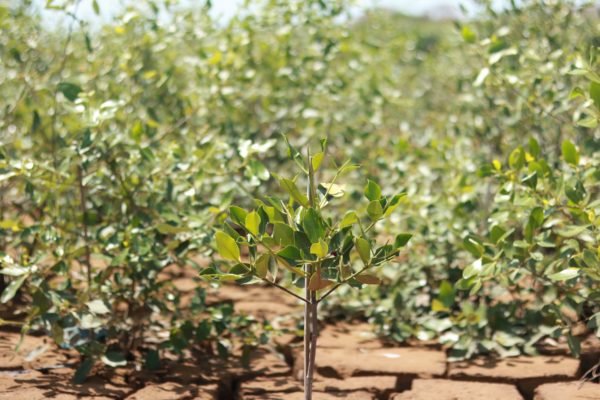
(Above) Mangrove seedlings are integral to the future health of people and nature in Pati. Photo: Trees4Trees/V. Arnila Wulandani

In addition to cultivating mangrove seedlings, Andi is an activist and educator who is involved in many mangrove restoration projects and activities, both as a founder and as a volunteer. Yutaka Farm is just one of many ways in which he is working to protect mangroves in Pati. 

He believes the future of these important ecosystems depends on local kids becoming interested and getting involved in conservation. He also believes the well-being of the community is directly linked to the health of mangroves. 

“Mangroves are essential to coastal areas in Pati, because they prevent erosion,” Andi explains. “When powerful waves struck the shores of Pati in 2022, places without mangrove coverage were hit harder compared to those with mangroves.” 

Working with Trees4Trees  

To really make a difference, Andi and his Yutaka Farm need help. “We cannot accomplish this task alone,” he says. “Local communities, institutions, and the government need to work together to raise awareness of mangroves and their importance to places like Pati.” 

“In 2021, we partnered with Yutaka Farm to produce 30,000 mangrove seedlings,” says Khoirum Minan, the Trees4Trees Unit Manager in Pati. “The following year, our production increased significantly, surpassing 100,000 seedlings – we have now successfully planted them at several locations in the coastal areas of Pati.” 

Mangrove replanting in Pati is an integral part of Trees4Trees’ long-term commitment to supporting the government’s vision for the region. Working alongside Yutaka Farm, Trees4Trees is creating a green belt along the coast, helping to restore natural ecosystems while also protecting the well-being of local communities inland. 

“Trendy and Engaging”: Yutaka Farm Makes Mangroves Fun
(Above) Andi Lestari at Yutaka Farm in Pati Regency. (below) Mangrove planted in Pati coastal areas. Photo: Trees4Trees/Yulianisa Dessenita
mangrove
Writer: V. Arnila Wulandani

Coastal Communities and Culinary Traditions: Mangrove Restoration in Pati

mangrove
Coastal Communities and Culinary Traditions: Mangrove Restoration in Pati
Fried bandeng presto (steamed milkfish) slices, an authentic culinary of Pati. Photo: Trees4Trees/V. Arnila Wulandani.

The uniqueness of bandeng presto (steamed milkfish) lies in its cooking technique. Steaming the fish at high pressure creates a delicate texture that locks in flavor and allows the meat to fall effortlessly off the bone. After being cooked in this way, even the soft spines of the fish can be eaten. From beachside pots to the kitchens of restaurants, local cooks have mastered this technique, and milkfish have become a dish that’s synonymous with Pati Regency of Central Java. 

This iconic fish puts food on the table in more ways than one. Many people living in Pati make their living as fishpond farmers, with milkfish being their main source of income. However, these industries are increasingly under threat from flooding. Now, with the help of Trees4Trees, farmers are finding that mangroves have the power to reverse the damage and protect their livelihoods. 

An Essential Resource for Local People 

In a year, fishpond farmers in Pati can harvest milkfish two or three times, depending on the weather. “We can sell one kilogram of milkfish for around 15,000 to 25,000 rupiah (US$ 1 to 1.60),” explains Djamari, one of the fishpond farmers from Dukuhseti village. He only cultivates milkfish, as this is the most reliable, most profitable commodity.  

Parmi, another fishpond farmer from Dukuhseti village, agrees. As he explains, “milkfish is the main component of authentic foods in Pati, so the demand is always high,” he added. 

Pati Beach
(Above) the mangroves that surround them. (Below) Fishponds in Dukuhseti village and. Photo: Trees4Trees/V. Arnila Wulandani

Fishponds in Dukuhseti village

Livelihoods Under Threat: Extreme Weather and High Waves  

Fishponds in Pati are increasingly under threat. Recently, when the tide is high, and the weather is bad, the surge can flood the fishponds and decimate stocks of the precious milkfish.  

“Virtually every year, our fishponds are threatened by waves,” explains Parmi. “Last year, when my pond was destroyed, only a few fish were left. I suffered losses of nearly 100 million rupiah due to the damage,” he revealed.  

Parmi’s story is familiar to many fishpond farmers in the region. Djamari added that he has experienced similar problems, which were disastrous to his business. “I estimate that my losses due to last year’s high tide were in the tens of million rupiah,” he said.  

However, Djamari and Parmi actually fared much better compared to their neighbors in other villages. This is because their ponds were protected by mangroves. “Even though there are not many, these mangroves protected our fishponds,” explained Parmi, pointing to the mangrove trees around him.  

Mangrove in Pati
(Above) In Pati, mangroves have proven to be an effective way of limiting the damage caused by annual floods. Photo: Trees4Trees/Yulianisa Dessenita.

The Many Benefits of Mangroves 

Musthofa is the leader of a group of fishpond farmers in Dukuhseti village. He laments that mangrove cover in Pati has been in decline in recent years. “Everything within a hundred meters of the shoreline should be a greenbelt area,” he explains, noting that this protection is largely absent. “Most farmers in our group are aware of the benefits offered by mangroves; we have seen ponds protected with mangroves suffer less damage than areas that are not,” he added.  

“The mangrove trees around our pond were planted in 1995 and stand up to 10 meters tall,” explains Parmi, who also revealed that these trees can offer multiple benefits to farmers. “They not only prevent erosion and waves – the fallen leaves also function as natural fertilizers to fishponds, which accelerates fish growth,” he said. 

Mangrove Farmers
(From left to right) Djamari, Musthofa and Parmi – fishpond farmers who have been helping T4T plant mangroves in Pati. Photo: Trees4Trees/Yulianisa Dessenita.

Restoring Coastal Areas, Supporting Farmers, and Preserving Traditions 

Djamari, Parmi and Musthofa are three of the many local farmers who have been helping Trees4Trees to restore coastal ecosystems and protect livelihoods in Pati. Since 2021, we’ve planted around 138,000 mangrove trees in an area covering 27.8 hectares; in the most recent planting season alone, we planted mangroves in eight coastal villages.  

“We hope the mangroves we have planted will grow tall and strong so they can protect fishponds and prevent coastal erosion in areas around our village,” said Parmi. He added that by planting mangroves, the authentic culinary traditions of Pati – such as bandeng presto – will also be preserved.  

Writer: V. Arnila Wulandani. Editor: Christopher Alexander

Mangroves Planting Program with EcoMatcher Inspires Villagers to Plant More Mangroves Trees

planting mangrove inspire more locals to plant more mangrove trees

planting mangrove in pati central java 

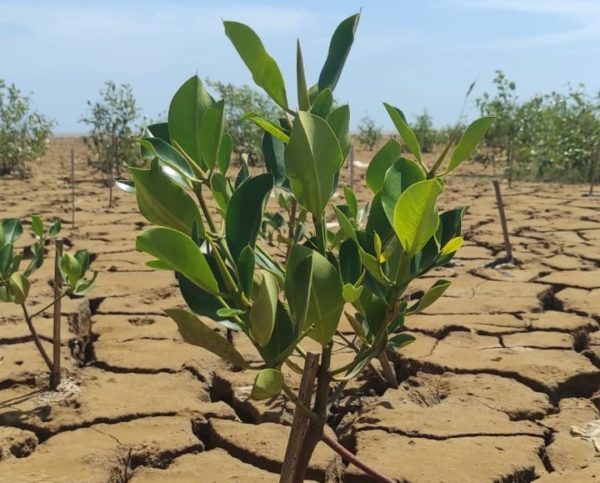
Pati Regency, located in northern Central Java, is one of the many mangrove-growing areas in Indonesia. This regency has approximately 8,000 hectares of potential mangrove areas. Nearly 25% of Pati’s total coastline was forested with mangroves. Unfortunately, the mangrove cover in this area is degraded and in poor condition.  In 2017, a survey in Pati showed that around 60% of mangrove cover had been lost in some districts.

Mangrove Cover in Poor Condition

Coastal erosion and land over-use are the most common causes of mangrove destruction in this area, making many mangrove areas become critical lands, including in Dukuhseti Village. Mangrove ecosystems play an important role in climate stabilization, coastal protection, biodiversity richness, local community’s economy, and supporting fishery.

Read also: Incredible Benefits of Mangrove Ecosystem

“In the past, our village had mangrove forests, but they were exposed to tremendous coastal erosion. After that, there was an expansion of the fishponds that cut down mangroves excessively. Consequently, now our village has no wave barriers around the coast,” said Mustofa, leader of the Tani Makmur farmer group in Dukuhseti Village.

Most of the villagers of Dukuhseti make their living as fish farmers and fishermen. They have fishponds near the coast. Their main products are tilapia and milkfish.

Mustofa said the most significant impact after the mangrove forest was drastically reduced is that now the village does not have any wave barriers, thus endangering small fishponds near the coast owned by local farmers.

“When the big waves come, our fishponds are often hit and destroyed by the waves. Big waves sometimes also bring runti pests (barnacles) in large numbers. They not only can injure fish farmers because they are sharp but also can infect young mangrove tree trunks,” Mustofa added.

planting mangroves in Pati Central Java

Planting Mangroves Program with Trees4Trees and EcoMatcher

When Trees4Trees and EcoMatcher came to Dukuhseti Village and invited them to join the mangrove tree planting program, Mustofa and other members of the Tani Makmur group welcomed the project enthusiastically.

“The community was very supportive and excited when they knew the program was being implemented in our village. We hope that many mangrove trees can be planted so that erosion can be prevented, and our fishponds can be protected from waves,” said Mustofa. In addition, mangroves also benefit fishermen because they do not have to go to sea far to catch fish. The fish become more abundant around mangroves.

planting mangroves in Pati Central Java

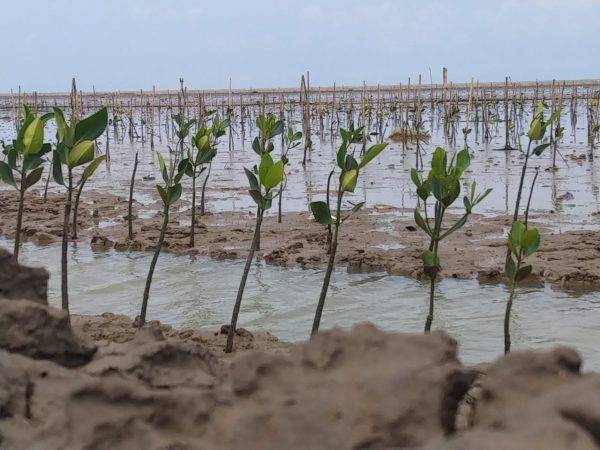
Since November 2021, Trees4Trees and EcoMatcher have planted 30,000 mangrove seedlings on the coast of Dukuhseti village in partnership with the fish farmers from the Tani Makmur farmer group. The mangroves planted covered an area of ​​3.8 hectares. The fish farmers are employed in producing seedlings, planting, and installing breakwater walls to protect the young seedlings.

“Before planting mangroves, the land was considered by the government to be critically degraded land. There were only a few mangrove trees left. We planted Avicennia and Rhizophora mangrove species because these two types were the original natural forest. We hope to restore the mangrove cover in this area completely,” Fauzan, Unit Manager of Trees4Trees Pati, said.

Inspire Local People to Plant More Mangrove Trees

Interestingly, the Trees4Trees and EcoMatcher mangrove planting program also inspires and motivates locals to plant more mangrove trees around the village coast. Shortly after the planting project with Trees4Trees and EcoMatcher was completed, the villagers planted mangrove trees voluntarily around the planting area. They sow the Avicennia seedlings directly on the shore and around the fishponds while the waves are low.  

planting mangroves in Pati Central Java

“Actually, some villagers whose ponds are close to the coast had planted mangroves voluntarily a long time ago. However, this program motivates and inspires more people to plant more mangroves. We think it is because people are starting to realize the importance of mangroves’ existence in the village,” said Mustofa. The villagers thank Trees4Trees and EcoMatcher for the mangroves planting program. They also hope to plant more mangroves in the future.

This year, Trees4Trees has been partnering with EcoMatcher for five years, a moment to celebrate! Both are keen on their commitment to supporting local communities and environmental restoration by planting trees. Trees4Trees and EcoMatcher use technology to monitor the locations of the planted trees. Anyone can visit the trees they have planted through the EcoMatcher website.  Each tree planted by Trees4Trees and EcoMatcher is recorded with the TreeCorder application developed by EcoMatcher. With this technology, anyone can track and plant trees via a smartphone and get information about the trees and the farmers who care for them.

Author: V. Arnila Wulandani