Planting Watersheds: A Step to Restore Bali’s Nature and Sustain Local Livelihoods
Planting

Trees4Trees planted trees in Bali

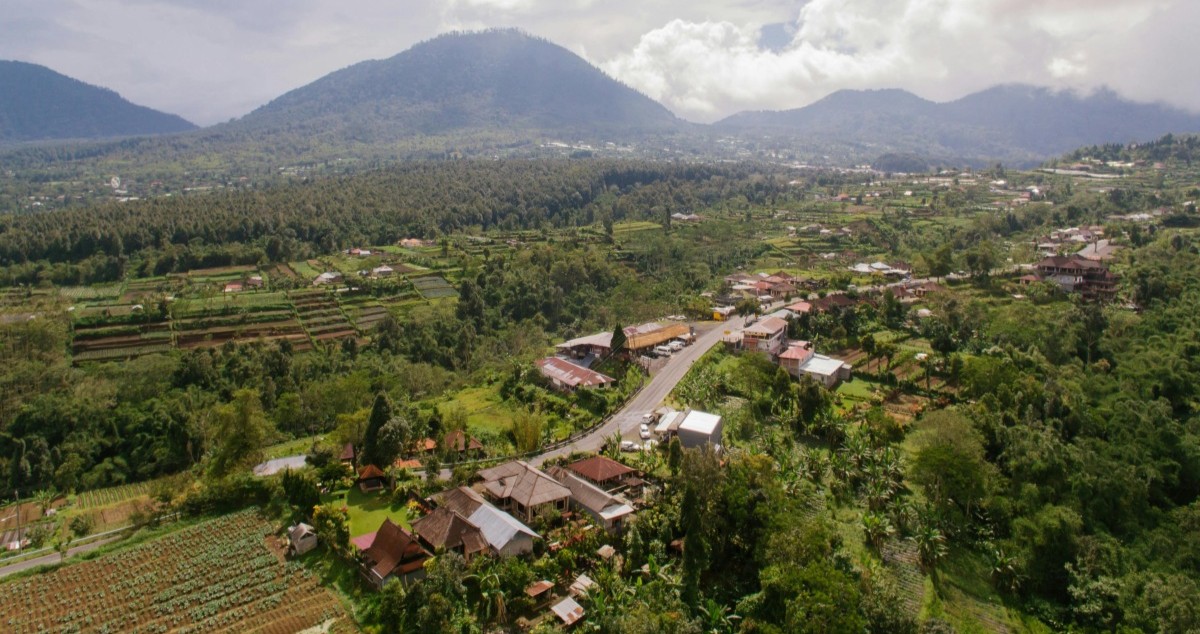
Tuwed and Tukadaya are two villages in Melaya District, Jembrana Regency, located within two important watersheds in Bali: Sangianggede and Tukad Melaya. Known for their strong agricultural tradition and tourism potential, these areas represent the richness of Bali’s rural landscape. Yet, like many parts of the island, they are increasingly facing pressure from rapid human-driven development. 

Significant land-use changes have occurred, converting forests for production purposes and agricultural expansion. Their strategic position along the Java–Bali logistics route has further accelerated development, with land increasingly transformed into residential and commercial areas. While development brings economic opportunity, it also poses risks to environmental health, local livelihoods, and food security. During the rainy season, communities in these villages, like others in Jembrana, are often affected by river flooding, a challenge linked to watersheds degradation. 

In response to these challenges, Faithfull, a Bali-based sustainable fashion company, initiated tree planting in these two villages this season to support ecosystem restoration and strengthen local livelihoods. 
Trees4Trees planted trees in Bali
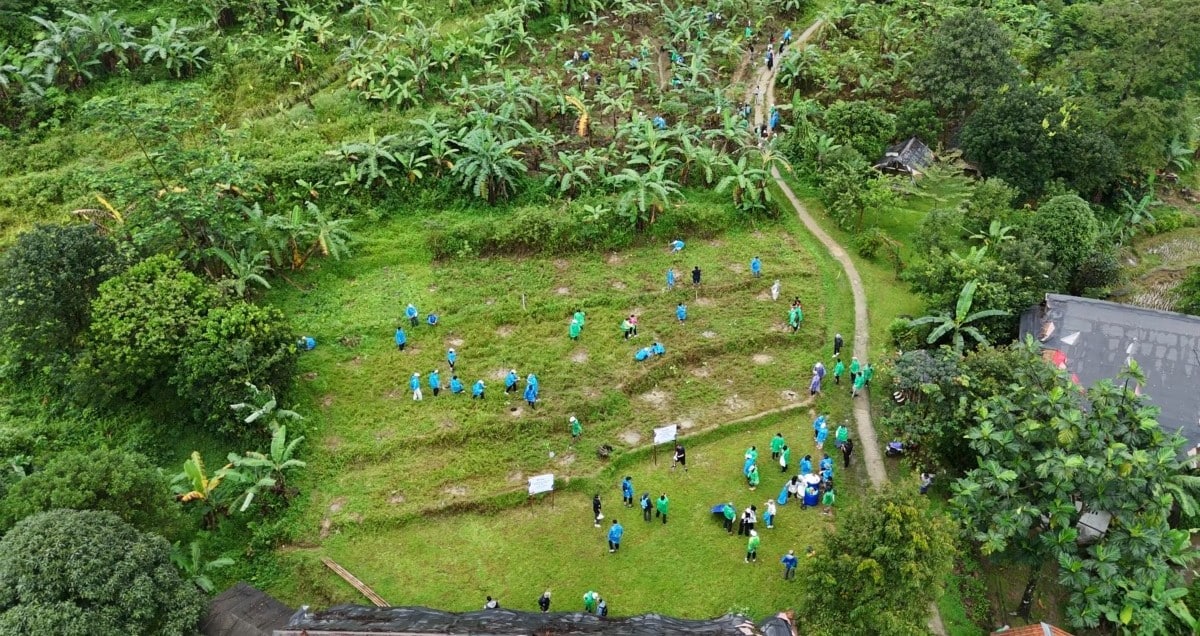
The Melaya landscape, with residential areas scattered among the greenery.

Planting Trees Together: Sharing Love for Bali and Part of a Sustainable Commitment 

Chrisma Aryanta, Faithfull Office and HR Manager, shared that the tree-planting initiative aligns with the company’s sustainability vision and mission and part of its corporate social responsibility program. As a fashion company, Faithfull believes their responsibility goes beyond creating products. “Fashion is deeply connected to nature – from the threads we use to the materials we source. Planting trees is our way to give something back to nature in return,” she explained. 

As an initial step in this renewed commitment, just before Valentine’s Day, Faithfull brought its team members together with local communities and Trees4Trees to plant trees in Tuwed Village. The initiative continues with 10,000 additional trees to be planted in Tuwed and neighboring Tukadaya, helping restore the greenery of Melaya, an area located near two of Bali’s important natural sites: West Bali National Park and the Melaya Protected Forest. 

The effort reflects the brand’s commitment as a Bali-based sustainable clothing company to share its love and give back to the island they call home. “Deforestation is getting more serious, not only in Indonesia but all over the world,” Chrisma said. “This season, we choose planting trees here in Bali because we are Bali-based, we love Bali and we want to make Bali even better.” 
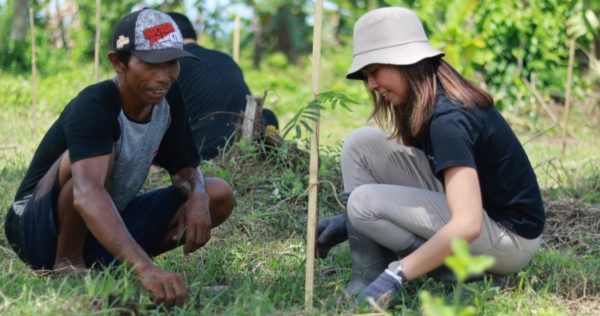
Trees4Trees planted trees in Bali
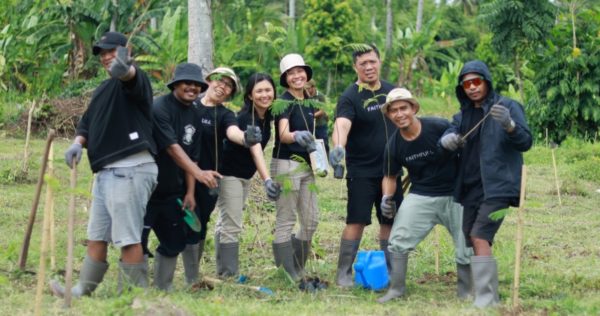
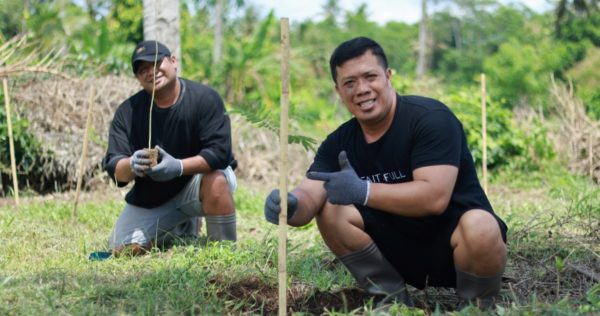
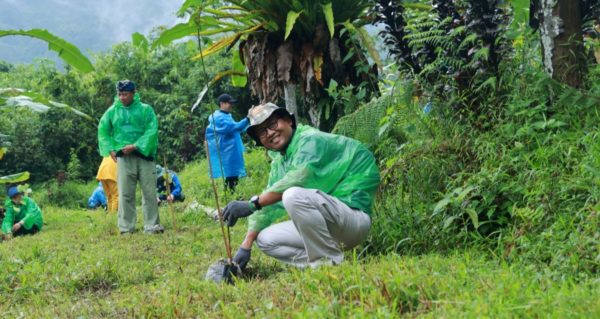
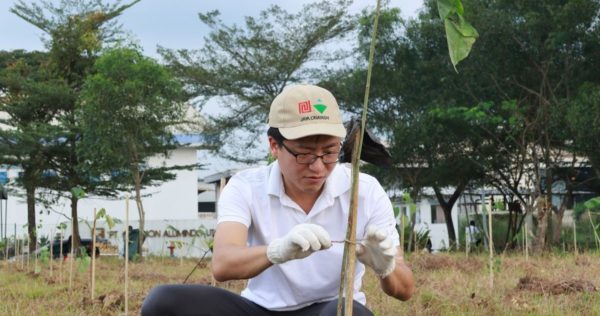
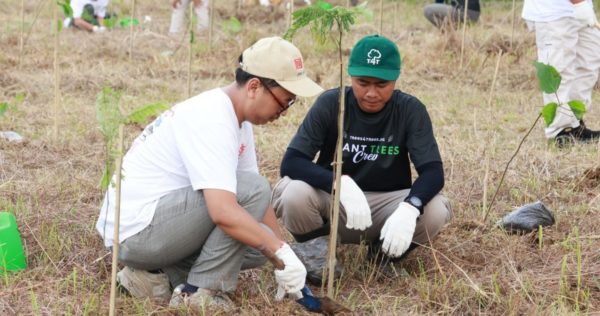
(Above) Chrisma Aryanta, Faithfull Office and HR Manager, joined the tree planting with local community. (Below) Faithfull team members worked to plant trees together.

Five Years of Growing Green Together  

The tree-planting initiative in Bali marks an important milestone in the long-standing collaboration between Faithfull and Trees4Trees, celebrating five years of tree-planting partnership. Since 2021, Faithfull has planted over 20,000 trees across Java and Bali together with Trees4Trees, addressing pressing environmental challenges, including drought, water scarcity, erosion, and landslides, while supporting local livelihoods. Around 140 farmers have been directly involved, integrating tree planting into their agricultural landscapes.  

“At Faithfull, we want to help ensure a better future for everyone and everything. We see the harmful effects of deforestation, and we know we need to take action,” Chrisma said. 

Continuing this shared effort, the Bali planting responds to the increasing land conversion in the Sangianggede and Tukad Melaya downstream watersheds. Khoirum Minan, Trees4Trees Project Manager, emphasized that the initiative goes beyond environmental restoration. 

“This program not only increases tree cover in Jembrana, but also strengthens local livelihoods, particularly through the cultivation and integration of cacao trees, which provide long-term economic benefits,” he explained. 
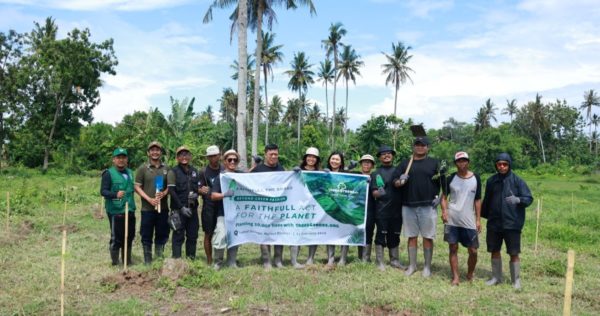
Trees4Trees planted trees in Bali
Together with Trees4Trees and local communities, Faithful plants 10,000 trees in Tuwed and Tukadaya Village.

Creating Impacts: Supporting the Environment and Communities 

Echoing this perspective, Rusmanto Manulang, Trees4Trees Bali Site Coordinator, highlighted that tree planting delivers meaningful environmental and social value. 

“The most important impact lies in the environmental benefits, especially in protecting water reserves and maintaining clean air, both of which are essential for long-term ecosystem health. However, at the same time, the economic potential is also significant,” he said. 
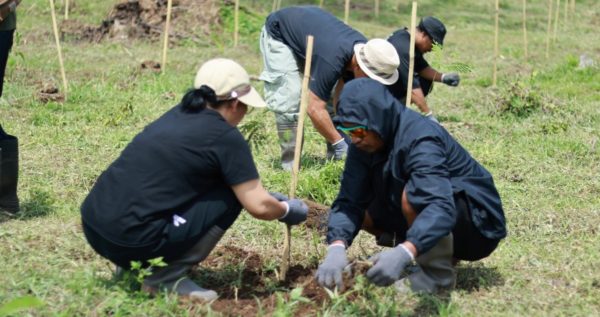
Trees4Trees planted trees in Bali
The scorching sun did not dampen the spirit of Faithfull team members to plant trees in Tuwed Village.

He explained that non-timber forest products, such as leaves, can be properly managed and used as livestock feed – a valuable resource for farmers who raise animals. Over time, products such as fruits, nuts, and timber can provide additional income streams, strengthen household economies, and enhance community resilience. 

“Beyond economic benefits, the initiative also motivates farmers to manage their land more effectively and sustainably, particularly degraded and unproductive areas,” said Rusmanto. By transforming empty land into productive agroforestry systems, farmers can secure both environmental restoration and future income. 

With more trees planted this season, Faithfull hopes its fashion business can contribute not only to social and economic development, but also to long-term environmental sustainability – ensuring that style and stewardship grow hand in hand, rooted in Bali’s soil for generations to come. 

Writer: V. Arnila Wulandani. Photos: Y. Dessenita
Four Years of Commitment: Microsoft Continues Growing Urban Forests

Planting Trees

The presence of green spaces among factories, buildings, and heavy traffic in bustling industrial zones is like an oasis in the middle of a dry, overheated desert. Beyond providing fresher oxygen and sequestering carbon emissions from the industrial activities, rows of trees offer shade, reduce heat and lower temperature, transforming the area into a more livable and comfortable environment for those who live and work nearby.  

Extensive research and studies has shown that the presence of forests in urban areas significantly improves public health and strengthens the human immune system. 

Establishing urban forests within industrial and urban areas, however, is not as simple as it sounds. It demands long-term vision, consistent effort, and strong commitment. Despite these complexities, over the past four years Microsoft, in collaboration with Trees4Trees, has consistently demonstrated that commitment by helping establish urban forests in two major industrial hubs in Jakarta’s buffer zone: Greenland International Industrial Center (GIIC) and Karawang International Industrial Center (KIIC), contributing to a healthier environment. 

Urban and Industrial Area Challenges 

Amid the rapid development of hundreds of buildings, factories, and supporting infrastructures, GIIC and KIIC – like many other urban industrial zones – face significant environmental challenges. Air pollution from factory operations and vehicle emissions continues to threaten air quality. Without serious intervention, air quality could continue to decline, potentially harming the health of surrounding communities.  

Yet the challenges go beyond polluted air. Water and soil degradation also pose serious concerns. “Industrial areas often consist of nutrient-deficient soils,” explained Pandu Budi Wahono, Director of Trees4Trees. “To address this, we prioritize planting fast-growing shade trees that are not only well-adapted to poor soil conditions but can also gradually improve soil quality by recycling nutrients – helping restore soil health and revive the ecosystem,” he added. 

Four Years of Commitment
The tree planting took place near the buildings and factories of the GIIC Industrial area in Cikarang, contributing to the expansion of urban forests.

More Trees for Urban Forests 

Helping to address these challenges, Microsoft began the journey to create urban forests in 2022. As key industrial hubs, both GIIC and KIIC areas were once largely dominated by factories and infrastructures. Many areas lack tree covers and stretch of arid, compacted soil. During the dry season, the heat intensified – turning parts of the area into scorching landscapes, especially at midday. 

Four years later, the landscape has gradually transformed. These industrial zones are now increasingly woven with greenery, from shade trees lining the open land to fruit-bearing trees growing within the complexes. Together, these efforts expand the pockets of urban forests and reshape the industrial environment.  

This season, Microsoft continues to strengthen that commitment to further grow urban forest coverage. “From 2022 to 2025, Microsoft has planted around 62,000 trees in the industrial areas of Cikarang and Karawang to help establish urban forests. Today, we mark four years of tree-planting collaboration with Trees4Trees,” said Dania, Microsoft Community Engagement Lead. 

To build on this progress, she emphasized that this season, Microsoft is adding 13,000 more trees, bringing a total of 75,000 trees since 2022. “We hope to continue this effort in the years ahead, expanding the numbers each season and ensuring that the trees we plant continue to grow and deliver lasting benefits,” Dania added.  

Expanding Green
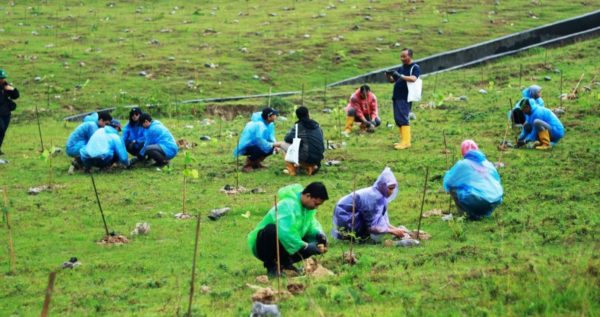
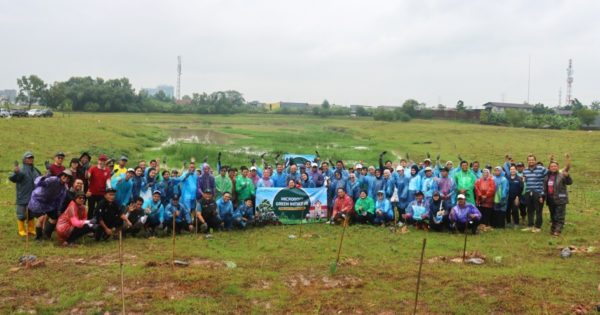
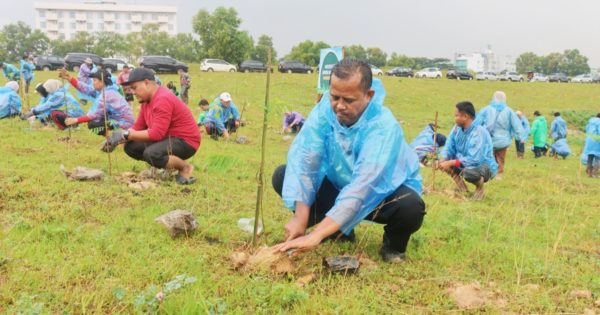
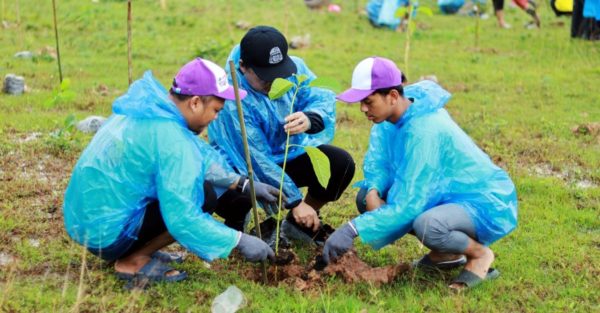
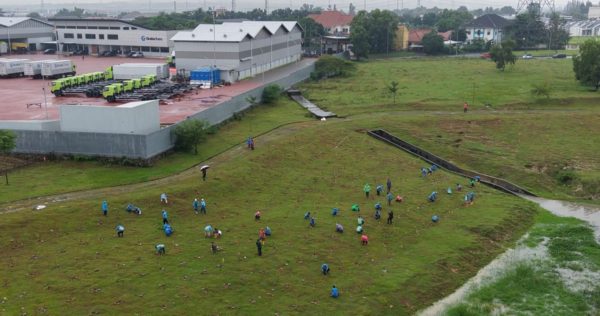
The rain even did not stop the volunteers’ spirit in planting trees.

Microsoft Commitment: Being a Good Neighbor for Community 

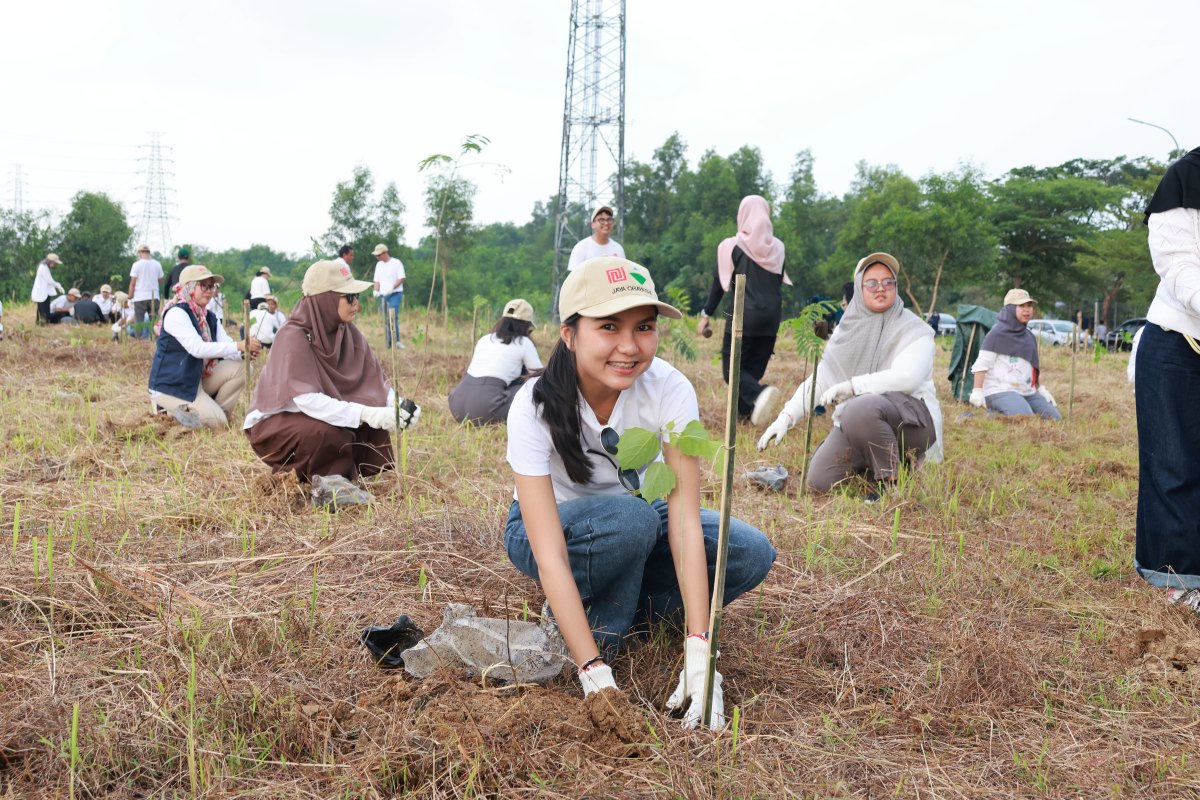
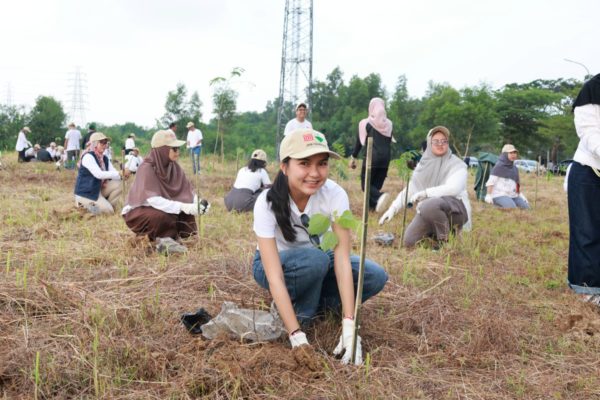
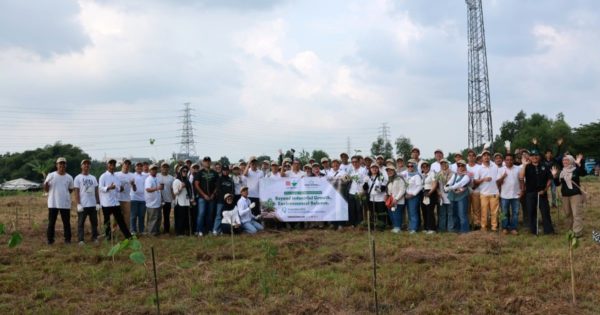
As the first step in expanding urban forest, Microsoft recently initiated a tree planting event, inviting its partners and community members to take part. “Around 100 volunteers who are our partners took part in the planting activity,” Dania explained. Of the total number of trees planned for this season, 1,100 trees were planted during the event – symbolizing not only environmental action, but also a shared commitment. 

“We invited everyone to plant trees together because we want to build a sense of shared responsibility, as one big family working together in creating a better environment,” said Dania. She said that the urban forest tree planting initiative also reflects Microsoft’s awareness of its presence within the industrial area, particularly with its data center operating there. “This is part of our commitment to being a responsible and good neighbor to the surrounding communities,” she continued. 

Planting Trees
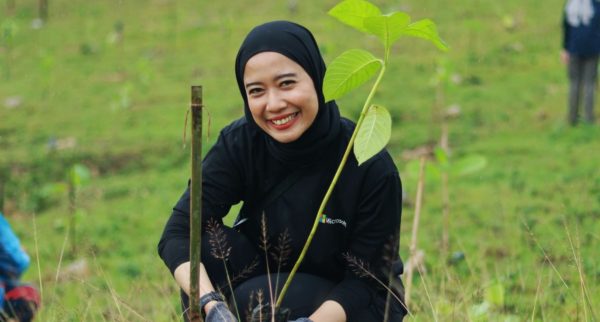
(Above) Arina Dafir, Microsoft’s Community Affairs Manager – Southeast Asia, joined the tree-planting event. (Below) Together with its partners, Microsoft continues to grow urban forests.

Four Years of Commitment

Expanding Impacts, Planting with Local Community 

Khoirum Minan, Trees4Trees Project Manager, explained that the urban forest initiative focuses on strengthening soil and water conservation while contributing to carbon sequestration. Over time, those growing urban forests are expected to improve air quality, reduce heat, enhance water and soil health, and support local livelihoods.  

“Like in previous season, this year, we’re planting species suited to drought-prone industrial conditions, including fast-growing hardwoods such as cadamba, albizia, gmelina, and mindi, alongside fruit trees like jackfruit and mango,” he said. 

Four Years of Commitment
Microsoft engaged its business and community partners, including organizations and school representatives from nearby industrial areas to plant trees together during a dedicated planting event.

The tree-planting efforts also extend to community-owned lands in the surrounding industrial zones to broaden environmental and social impacts. The program will continue through April 2026, involving local farmers as planting partners, ensuring that the initiative not only restores the environment but also supports the surrounding communities.  

“We see this tree planting as an investment in the future,” Dania emphasized. “We plant trees today, knowing that in ten or twenty years, those trees will grow strong and give back, caring for us and providing lasting benefits for all living beings,” she added. 

Writer: V. Arnila Wulandani. Photo: Y. Dessenita

From Rural to Urban: Expanding Green Commitment Across Jakarta’s Buffer Zone

From Rural to Urban

Tree Planting in Curug Cibingbing_Trees4Trees

As the largest metropolitan city and Indonesia’s capital, Jakarta’s hustle bustle comes with significant environmental challenges – from air pollution to declining of water and soil quality. However, the intense development pressures extend beyond the city itself, affecting surrounding buffer zones both in rural and urban areas, including Bogor to the south and Tangerang to the west. 

About 60 kilometers from the center of Jakarta City lies Mount Pancar in Sentul, Bogor – a mountainous landscape where many Jakartans escape their routines to break for a while, just to enjoy the nature and scenic view. Unfortunately, the area’s growing popularity has created a new pressure. Not only does the rapid development by the business and shopping centers occur, but every weekend, traffic becomes congested and the site is flooded with visitors, making it increasingly urgent to preserve the natural integrity.  

From Rural to Urban
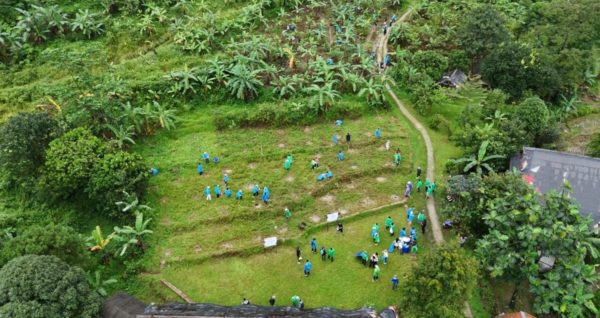
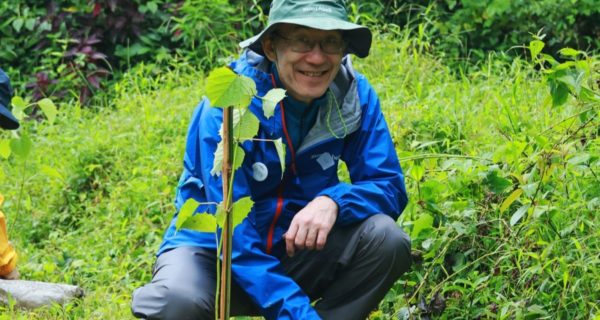
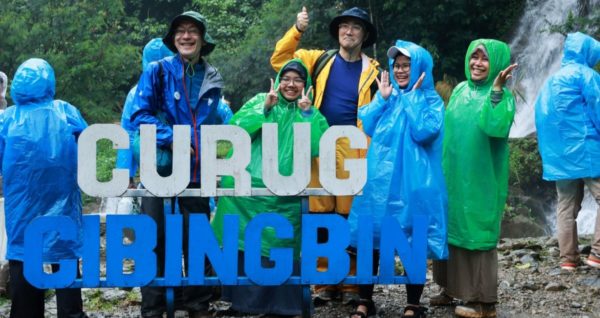
Sumitomo Group together with Trees4Trees planted trees along the hiking trails of Cibingbing Waterfall in Bogor, West Java.

Strengthening Rural Erosion Prone and Sloping Area 

Cibingbing waterfall, part of Mount Pancar complex, attracts large numbers of visitors every weekend with its hiking trails and river activities. The waterfall is one of four waterfalls in the area, all known for their strong water discharge. Yet its steep slopes and terrain make the area highly susceptible to erosion and landslides. As human activities increase in the area, the risk of tree cover loss also rises, heightening the threat of landslide and flooding.  

To support this area, Sumitomo Electric Group Indonesia and Sumi Indo Kabel, together with Trees4Trees, planted 300 trees on vulnerable slopes near the waterfall. “The planting focuses on erosion control and water conservation,” said Khoirum Minan, Trees4Trees Project Manager. According to him, the trees are also expected to help protect river streams and maintain water reserves during the dry season, enhance oxygen supply, provide shade, improve the landscape, and offer non-timber benefits for local communities. 

This effort continues the companies’ environmental commitment, following last year’s planting of 2,000 trees in the foothills of Mount Salak, another rural area of Bogor. 

Tree Planting in Curug Cibingbing_Trees4Trees
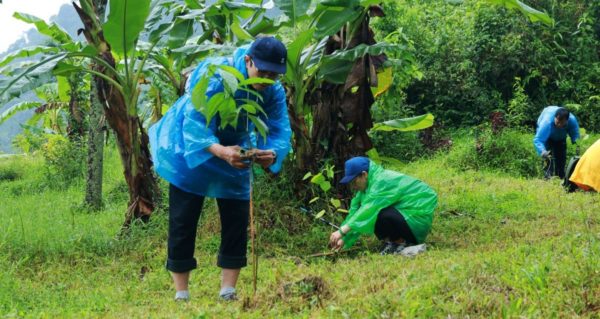
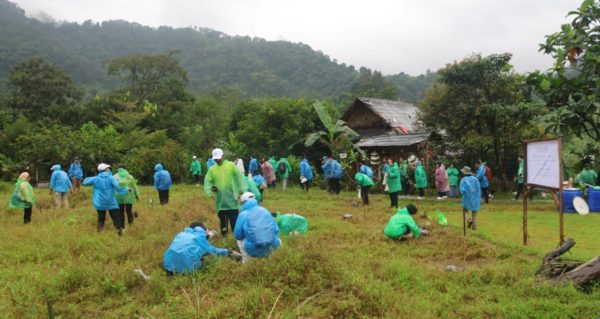
(Above) Both fruit and hardwood trees were planted to offer benefits to the environment, tourism, and local communities. (Below) All day hard rain had not stopped the spirit of volunteers from planting trees.

Tree Planting in Curug Cibingbing_Trees4Trees

Planting Trees Together, Nurturing Well-Being in Nature with Hiking 

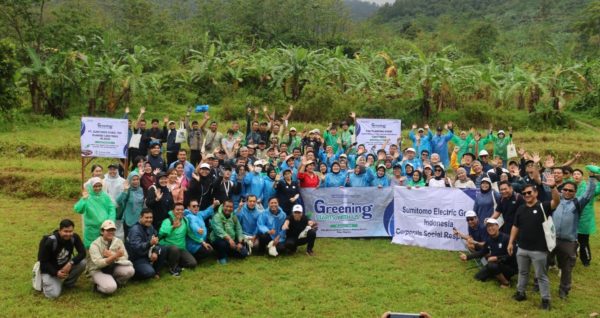
Taking place along the waterfall hiking trail, the tree planting involved employees from nine subsidiaries of Sumitomo Group, with over 100 participants joining as tree planting volunteers. “Albizia, cadamba, avocado, and nutmeg were selected as the area is well suited to these species, accelerating their chances of healthy growth and survival,” said Khoirum Minan. 

Eva, the Sumi Indo Kabel HR emphasized that representatives from most subsidiaries took part in the tree planting, as engaging employees is an integral part of their sustainability program. “By involving them to this activity, we hope to raise awareness and instill both knowledge and a spirit of environmental stewardship among our staff,” she said.  

From Rural to Urban
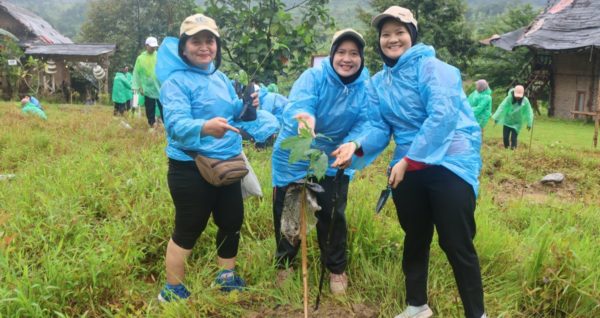
(Above) Employees of the Sumitomo group joined the tree planting event. (Below) Masashi Fukui, the Sumitomo’s global sustainability program person in charge, joined the tree planting event.

In line with Eva’s statement, Masashi Fukui, Executive Officer of Sumitomo Electric Indonesia and the person in charge for Sumitomo’s global sustainability program, emphasized the involvement of team members is crucial to achieving their sustainability goal. “At Sumitomo, we go beyond generating profits – we are committed to giving back to society and the environment. This tree-planting event is part of our global CSR program, engaging employees in caring for nature and supporting local communities,” he said. 

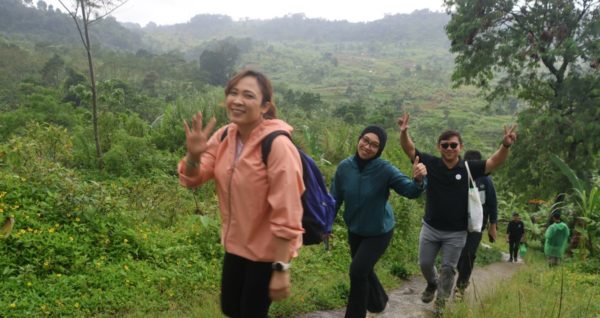
Alongside the tree-planting activity, the program also included a two kilometer-hiking trip to the waterfall, offering staff members wellness experience immerse in nature and a moment to reflect on how deeply human life depend on nature “This is not only about contributing to nature, but also about giving our volunteers the opportunity to reconnect with and enjoy nature itself,” said Eva. 

Tree Planting in Curug Cibingbing_Trees4Trees
Hiking to Cibingbing Waterfall after tree planting, offering volunteers an outdoor activity by immersing in nature.

Tree Planting in Curug Cibingbing_Trees4Trees

Expanding Green Commitment: Creating Urban Forest 

As carbon reduction is one of Sumitomo Group’s global sustainability goals, the tree-planting program goes beyond greening rural areas. After planting in rural Bogor, the initiative expanded to Tangerang City, where the Sumi Indo Kabel office is located.  

In this urban area, the program focuses on creating an urban forest by planting an additional 2,300 trees. Serving as the company responsibility to the surrounding environment, the initiative aims to increase green spaces to help address air pollution, urban heat, and declining water and soil quality – environmental pressures facing Tangerang as one of Jakarta’s rapidly developing buffer zones.  

Tree Planting in Curug Cibingbing_Trees4Trees
Engaging employees is an integral part of Sumitomo’s global sustainability program, achieving carbon reduction through rural and urban tree planting.

Mario Eko Cumentas, Chairperson of the Sumitomo Electric Group Indonesia Area Committee, emphasized that both rural and urban tree planting reflect the long-term company’s strong commitment to environmental sustainability. 

“Tree planting is essential for the future of our planet, and we are committed to continuing this effort,” he said. “We also encourage other communities and companies to take similar action, as caring for the environment is our shared responsibility. Trees are vital for all living beings – including us.” 

Writer: V. Arnila Wulandani. Photos: Y. Dessenita & M. Elly Nezar
Restoring Mangrove Cover: Safeguarding the Lifeline of Bintan Island

Restoring mangrove

Planting event

Bintan Island is the largest island in the Riau Archipelago, Sumatra, Indonesia, covering 1,173 square kilometers. Located just 40 kilometer or a short sail from Singapore, the island offers breathtaking coastal landscapes. Beyond its white sand beaches, which serve as nesting grounds for sea turtles, Bintan is also home to extensive mangrove forests and seagrass meadows. 

Spanning 8,553 hectares of mangrove forests and 2,094 hectares of seagrass meadows, these ecosystems serve as vital habitats for diverse wildlife, including endangered species dugong (Dugong dugon). Together with the surrounding coral reefs that support abundant marine biodiversity, Bintan’s coastal ecosystems create vibrant natural sanctuary. Not only critical for wildlife, but these ecosystems also support the livelihoods of local communities, most of whom depend on fisheries and tourism. 

“Most of us have been fishers for generations, relying heavily on fisheries and other marine resources. However, later, we have discovered another potential in our village. We have a magnificent coastal and marine landscape that we realized could be developed further through environmental services, particularly as a tourism attraction,” said Iwan, leader of the Conservation Education Group of Pengudang Village, one of the coastal villages on Bintan Island. 

Bintan island
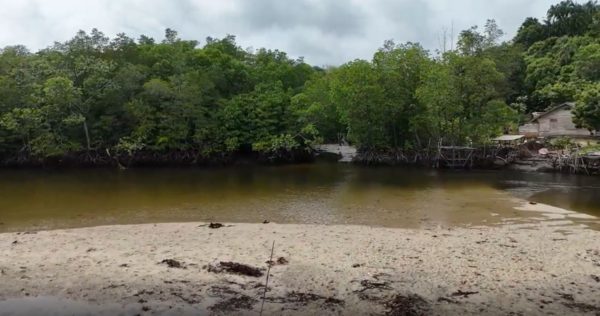
The magnificent coastal landscape of Bintan Island

Mangrove Degradation in Bintan Island 

Located near Singapore, Bintan Island stands both a strategic gateway and a leading tourist destination, known for its luxury resorts. However, decades of tourism and development have come at an environmental cost. Many coastal areas face increasing human-driven pressures. Between 2014 and 2021, more than 450 hectares of mangroves were lost due to tourism expansion, industrial development, and aquaculture – placing serious strain on ecosystems and coastal communities. 

Bintan Island Mangrove Planting Trees4Trees
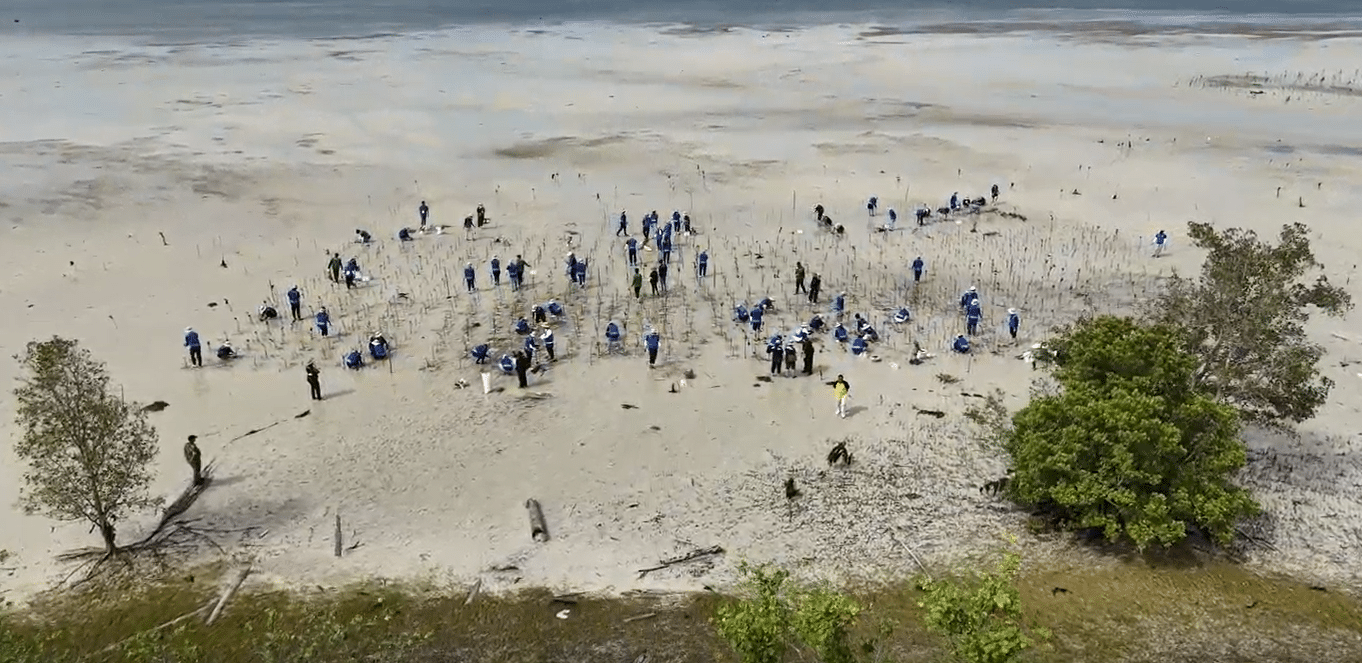
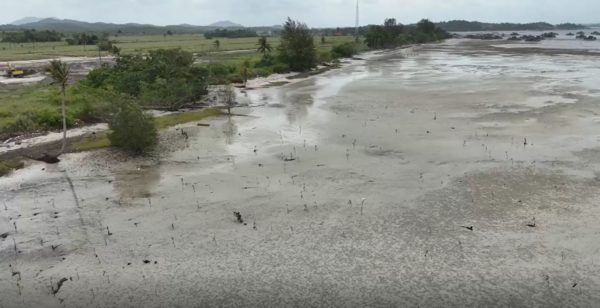
The open coastline of Pengudang Village, once dense with mangrove cover, now remains exposed – without mangrove barriers.

“Most of Bintan Island is surrounded by the sea, and the mangrove ecosystems condition is concerning. There has been significant damage along the coastal areas,” said Khoirum Minan, Project Manager of Trees4Trees. He explained that many mangrove areas are now severely degraded and require restoration to restore their cover. 

Iwan also acknowledged that mangrove deforestation caused by business expansion and the island residents’ growing needs has been significant. “Coastal communities and mangroves are interconnected. If mangrove cover disappears, it will not only affect the environment but also the well-being of communities. Therefore, restoration is a must – and we have started it,” said Iwan. 

Bintan Island Mangrove Planting Trees4Trees
One of mangrove covers in Pengudang Village, Bintan Island.

Planting Mangroves: Green Action of Industrial Bank of Korea and Copion 

Recognizing the urgent need to restore coastal ecosystem health, local communities on Bintan Island – particularly in Pengudang Village – have initiated mangrove restoration efforts in recent years. Iwan shared that, together with fellow villagers, they began nurturing mangrove seedlings and replanting degraded areas. 

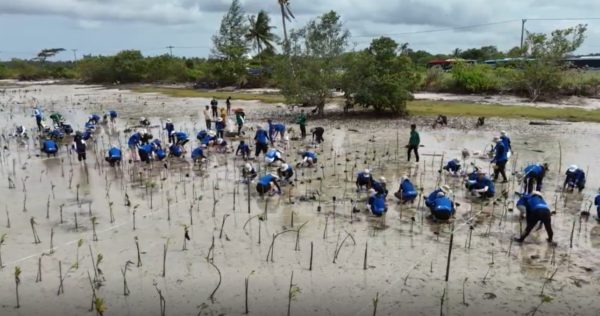
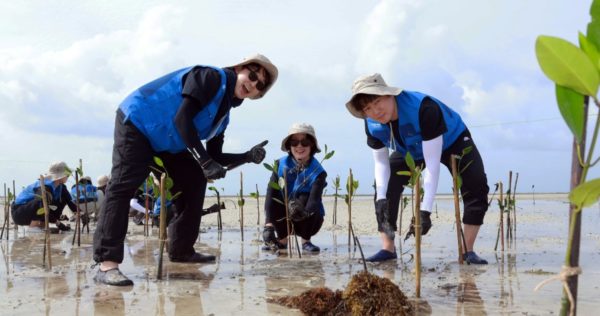
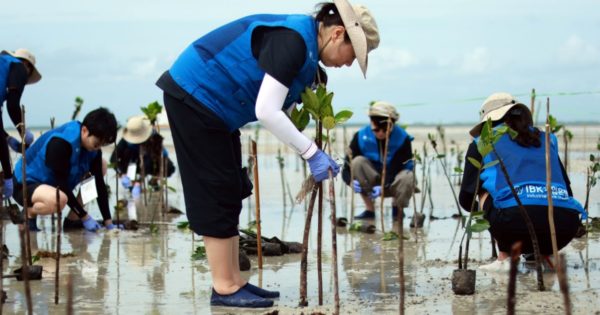
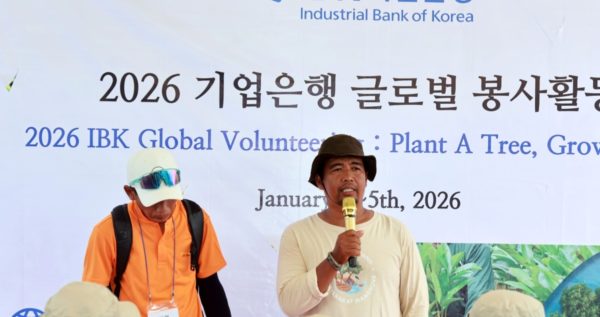
Supporting these community-led efforts, earlier this year, Industrial Bank of Korea, in collaboration with Copion and Trees4Trees, helped plant additional mangroves along the coast of Pengudang Village. A total of 1,500 Rhizophora apiculate species were planted together with the Industrial Bank of Korea staff members and Pengudang communities. The species was selected as the area is its natural habitat, increasing its chance of growth and survival. 

Restoring mangrove

Beyond restoring coastal and marine ecosystems, the initiative which part of the Industrial Bank of Korea sustainability program also aims to strengthen coastal livelihoods.  

“When we plant mangroves, marine and coastal species such as crabs, shrimps, and fish become more abundant, as mangroves provide essential habitat for them. With healthier ecosystems and increased yields from the sea, we hope mangrove planting will strengthen local fisheries and, in turn, improve the local economy,” said Khoirum Minan. 

planting event
A total of 80 volunteers from Industrial Bank of Korea gathered to plant 1,500 Rhizophora apiculate mangroves for two days.

Restoring mangrove

Strengthening Bintan Island Potential: Sustainable Fisheries and Tourism 

With its strategic location, strong fisheries and tourism sectors, Bintan holds significant potential as a leading coastal destination. For the villagers, their livelihood is not separate from nature.  

According to Iwan, conservation is integrated into every tourism activity in Pengudang Village, including mangrove planting, ensuring that it showcases nature while protects and sustains the surrounding ecosystems. The sea, however, has long been Bintan’s lifeline, providing food and income for local fishers. As part of Indonesia’s Exclusive Economic Zone, the fisheries potential in Bintan Regency exceeds 100,000 tons, placing it among the country’s important fishing regions. 

Bintan Island Mangrove Planting Trees4Trees
Iwan, the leader of Conservation Education Group of Pengudang Village thanked all of volunteers to help communities in restoring mangrove covers.

“We realized that our tourism offers natural heritage. Mangroves, seagrass meadows, and coral reefs,” said Iwan. “Visitors can glide through our mangrove forests on firefly tours, explore vibrant underwater life while snorkeling, or enjoy coastal village experiences,” he said. “So, as the coast and the sea are inseparable parts of our lives, whether we like it or not, we have to protect them. Because it is essential to our survival,” he continued. 

With the mangrove restoration and sustainable fisheries and tourism practice, the island is potentially become a leading model for sustainable island development, where mangrove restoration, eco-tourism, and community livelihoods reinforce one another.

Writer: V. Arnila Wulandani. Photos: Y. Dessenita & M. Elly Nezar
Scaling Impact Across Java: AOI and ITS from East to Central Java

Scaling Impact Across Java

Scaling Impact Across Java

Bayat District in Klaten Regency, Central Java, is part of the Bengawan Solo watershed and is largely dominated by agricultural activities. Corn, rice, and tobacco farming are among the main economic drivers for local communities. While these activities provide stable livelihoods, intensive and repetitive land use – combined with high inputs of chemical and organic fertilizers – has contributed to declining soil productivity and increased nutrient runoff. 

Over time, these practices have led to serious environmental challenges. Several areas in the district experience flooding and soil erosion, with estimated erosion rates reaching 50 – 150 tons per hectare per year on cultivated slopes. The decline of organic matter in the soil reduces fertility and water retention, resulting in drought, particularly during the dry season. 

“Our initial identification found that the soil in Bayat District lacks fertility, and several surrounding areas suffer from severe drought, worsened by limited access to water sources,” said Minan, Acting Project Manager at Trees4Trees. 

Initial Step: Planting 400 Teak Trees 

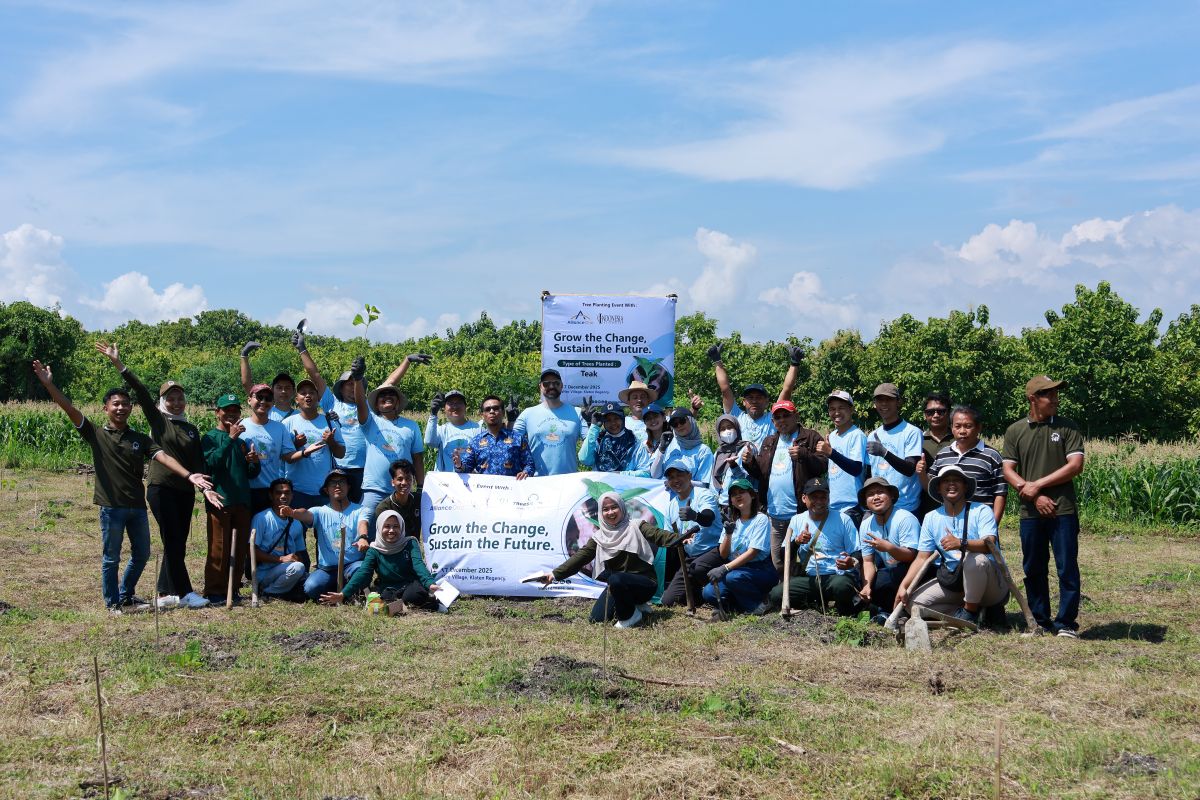
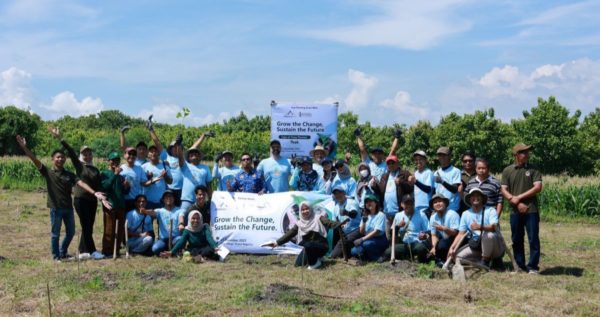
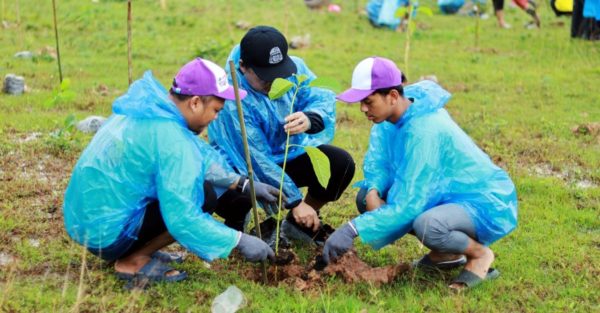
To support local communities in tackling these challenges, Alliance One Indonesia (AOI) and Indonesia Tri Sembilan (ITS), continued their green commitment as tobacco producers by planting 400 teak trees in collaboration with Trees4Trees. It marked the first step of a larger tree-planting initiative for the current planting season, with a total target of more than 4,800 trees. 

This effort builds on previous initiatives in East Java. During 2023 and 2024, AOI and ITS planted more than 11,000 trees across several villages near their operational areas in Bojonegoro Regency. This planting season, the initiative expanded to Bayat District in Klaten Regency – one of their tobacco supply areas – reflecting a long-term commitment to supporting both local communities and surrounding landscapes. 

“Teaks grow well in this location. We hope that in 15 years, the trees we planted will flourish into dense teak stands like those we see nearby,” Minan said, pointing to thriving teak-covered areas in the nearby.  

Scaling Impact Across Java
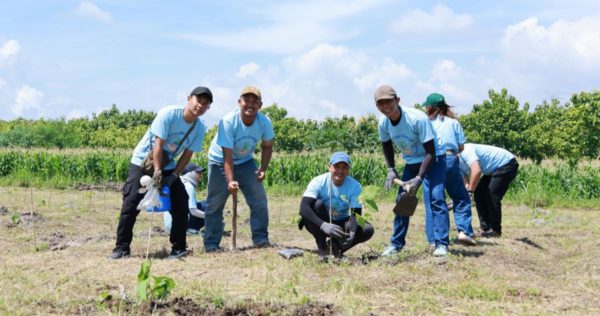
Under the blazing sun, AOI and ITS staff are full of energy in participating in tree-planting.

Involving Staff as Tree-Planting Volunteers 

As in previous years, the tree-planting event actively involved staff members from both AOI and ITS, reinforcing the companies’ view that sustainability is a shared responsibility. 

“Through this activity, we contribute to reducing the impacts of deforestation and environmental degradation,” said Agung Pribadi Kiswara, AOI Regional CSVS Sustainability Manager. “We hope to plant more trees so our Earth becomes greener, and we can help establish healthier lungs for the planet.” 

Wulan Pristya, AOI Talent Management Manager, who joined as a volunteer, shared that this was her first experience planting trees. “I am very excited, and I hope more people and institutions are willing to plant trees – not just through events like this, but continuously – so we can truly sustain our natural environment,” she said. She added that the trees planted during the event would provide long-term benefits for both the environment and local communities. 

Tree Planting event
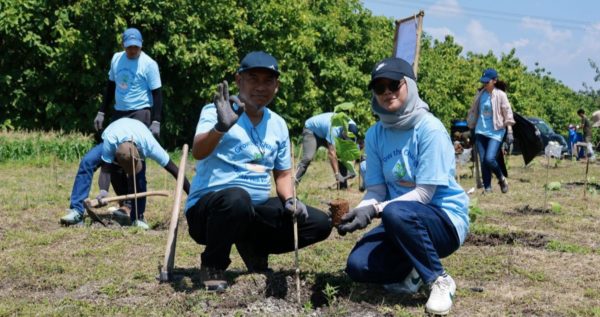
All staff of AOI and ITS volunteer as tree-planters in a tree-planting event, planting 400 teak trees together in Wiro Village.

Expanding Green Impact in Klaten Regency: Three Years Collaboration 

The expansion of this green commitment – from Bojonegoro Regency in East Java to Bayat District in Klaten Regency, Central Java – also marks three years collaboration between AOIITS, and Trees4Trees in tree-planting initiatives. 

Under the theme “Grow the Change, Sustain the Future,” the tree planting now spans three villages in Bayat District. This brings their cumulative contribution to more than 15,800 trees planted since 2023. The initiative involves over 50 local farmers, providing them with environmental benefits as well as additional income opportunities from non-timber forest products. 

“In addition to teak, we also provide hardwood trees like albizia, cadamba, and gamal, as well as fruit trees like rudraksha, avocado, stinky beans, and jackfruits. These offer both ecological and economic benefits to local communities,” Minan explained.   

Marathun Chassanah, Central Java Unit Manager at Trees4Trees, confirmed that all seedlings had been successfully distributed. “The distribution process was completed in early January, and farmers are currently planting the trees they received,” she said. Monitoring will follow to ensure healthy growth. 

Farmer
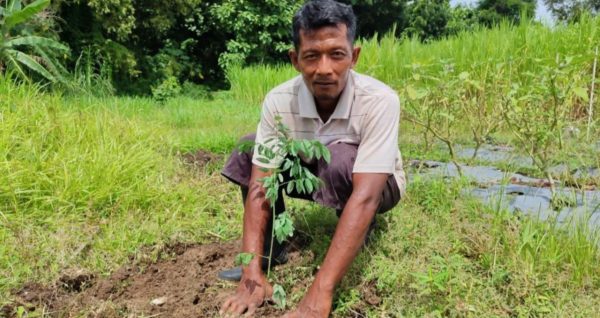
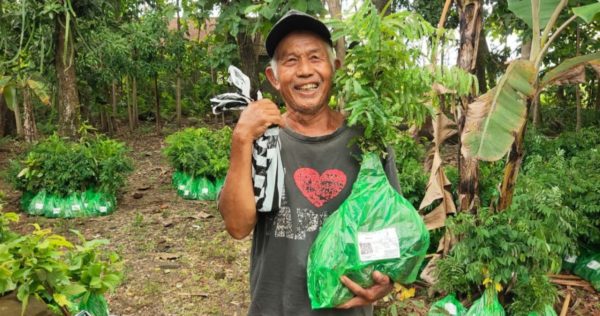
(Above) One of the farmers in Bayat District started planting a tree in his field. (Below) The excited face of local farmers in Bayat District, Klaten Regency, Central Java receiving tree-seedlings.

Farmer

A Hope for the Future: Strengthening the Watershed and Securing Water Sources 

Beyond serving as a tobacco supply area for AOI and ITS, Klaten Regency plays a strategic role as part of the Bengawan Solo watershed. This makes tree planting in the area essential for restoring degraded land, protecting ecosystems, and strengthening the region’s water system. 

“This area is part of a critical watershed where tree planting is essential to rehabilitate degraded land and safeguard the ecosystem,” said Erwien Permana, Operational Manager Klaten at AOI. He emphasized that expanding tree planting along the watershed aligns with the company’s sustainability goals, particularly in protecting waterways and generating broader environmental and social benefits. 

Sharing a similar outlook, Minan also expresses hope that tree-planting will gradually improve the watershed health. “By restoring soil quality, we can help reduce erosion and drought risks, while improving water retention and availability for local communities in the long term,” he explained. 

Writer: V. Arnila Wulandani. Photo: Y. Dessenita, Henning Ilmi, Mar’atun Chassanah

Balancing Industrial Growth with Urban Forest Planting

From electricity consumption and infrastructure development to manufacturing and distribution, the industrial sector stands among the world’s largest contributors to greenhouse gas emissions. According to the United Nations Industrial Development Organization (UNIDO), direct industrial emissions account for nearly 22% of total global emissions, while indirect emissions – from electricity and industrial heat – contribute another 31%. This places the industrial sector at the center of the climate challenge and makes it a priority for emission reduction. 

Recognizing this responsibility, Jaya Obayashi has strengthened its commitment to balancing industrial growth with environmental protection through sustainability-driven initiatives. Hardy Tekyawan, a member of the company’s Board of Directors, explained the company not only complies with ISO 14001 international environmental management, but also strives to go beyond compliance by taking direct action. 

“Our parent company is deeply committed to sustainability and, as a construction subsidiary, we are encouraged to actively contribute as well. It’s no longer just about meeting regulations, but about taking part in real environmental action,” he said

Turing Commitment into Action: 500 Trees for Urban Forest Expansion 

As part of their ongoing sustainability efforts, Jaya Obayashi has committed to expanding the urban forest located within the Greenland International Industrial Center (GIIC) area in Cikarang, West Java – one of Indonesia’s largest and most active industrial hubs in the Greater Jakarta region. With support from Trees4Trees, Jaya Obayashi recently planted 500 trees in this location. 
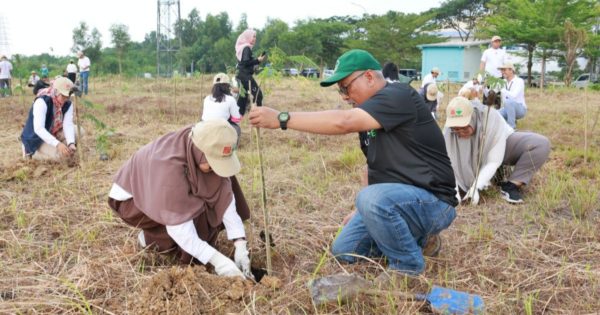
Kentaro Miyashita, Jaya Obayashi’s General Affairs Admin Advisor, confirmed that over 50 employees from various divisions took part in this initiative as planting volunteers. “Every year, we improve and strengthen our sustainability program, while also encouraging more staff to connect to environmental protection efforts,” he said. 

Hardy added that the company’s approach to sustainability applies across all business levels, from head office to project sites. “Our internal engagement must be strong, so everyone consciously participates in environmental responsibility.” 

Balancing Industrial Growth with Urban Forest Planting
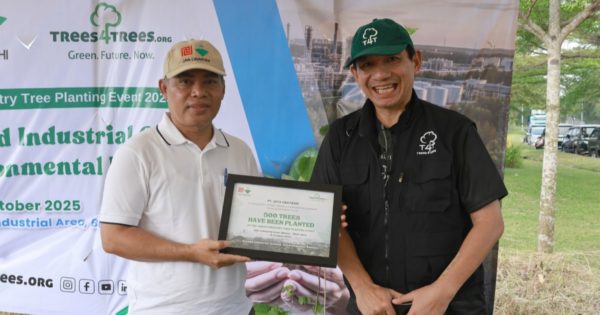
Hardy (left), a member of the Jaya Obayashi Board of Directors, receives a tree-planting certificate from Trees4Trees’ Director, Pandu Budi Wahono.

Beyond Compliance: Annual Sustainable Programs 

Ramdan and Tasya, from the Jaya Obayashi Corporate Communications and Legal team, also explained that urban reforestation is one of several environmental programs which the Company carries out on a regular basis. “In addition to this tree-planting activity,” explained Ramdan, “we also conducted mangrove planting from 2022 to 2024 and have continued our upcycling program for old employee uniforms.” 

Both went on to emphasize that these efforts are designed, not only to address environmental impact, but also to build a culture of awareness within the organization. By engaging and involving employees, the company aims to strengthen environmental consciousness through practical action. 

Jaya Obayashi staff plant trees
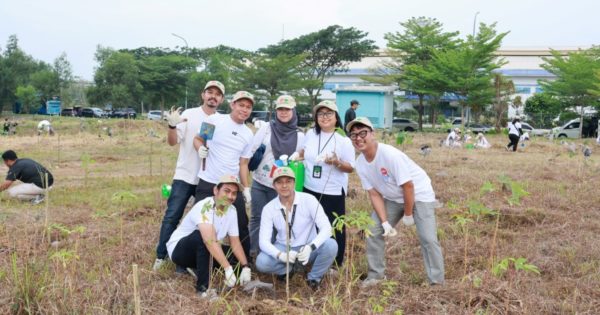
(Above) Ramdan (crouching in the center) and Tasya (second from the right), together with other Jaya Obayashi employees finish planting trees in a plot of land within the GIIC industrial area. (Below) Over 50 members of staff from Jaya Obayashi join in the tree-planting activity.

Jaya Obayashi staff plant trees

Reversing the Damage, Contributing to Climate Action 

The urban forest planting initiative forms part of Jaya Obayashi’s broader vision to help restore the ecological function of industrial landscapes – areas often exposed to higher temperatures, increased emissions, and land degradation. Tree planting serves as a way to mitigate ecological stress while contributing to positive climate action.

“We all know that global warming is worsening,” says Ramdan. “Through initiatives like this, we are aligning our efforts with the UN SDGs by taking real action.” The company hopes the newly planted trees will provide long-term environmental improvements, while converting unused areas into green buffer zones. 

Tomi Bustomi, Trees4Trees’ Regional Manager for West Java, explained that a mix of tree species was selected to accelerate canopy formation. “These trees sequester emissions and produce oxygen,” he said. “We use a combination of shade trees like rain trees along with fast-growing species such as gmelina, albizia, and cadamba to speed up greening and ecological recovery.” 

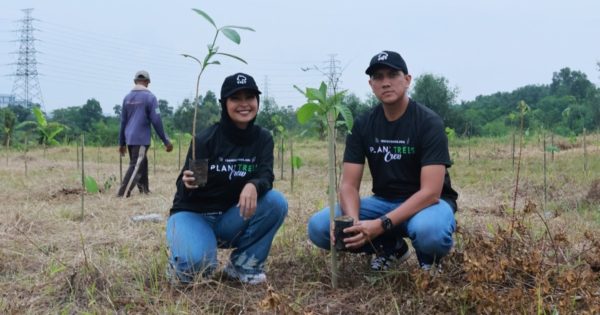
The event was also joined by Trees4Trees Green Ambassadors Tantri (Kotak) and Arda Hatna, whose presence brought extra excitement to the initiative. “The energy and enthusiasm were incredible,” said Tantri. “We hope these trees will help ease today’s climate challenges, growing into shade and absorbing emissions in this industrial area.” 

Their participation shows how collective action can inspire more people to take part in real climate solutions. 

Balancing Industrial Growth with Urban Forest Planting
Tomi Bustomi helps a volunteer with the hands-on aspect of Jaya Obayashi’s tree-planting program.
Arda and Tantri plant trees with Trees4Trees
Arda and Tantri, Trees4Trees green ambassadors joined the tree-planting as volunteers.
A Sense of Peace and Purpose 

Hardy emphasized that the initiative is meant, not only to restore the environment, but also to demonstrate the value of trees to human life. “We love trees because they give us oxygen and support the well-being of humankind and all living creatures. I hope this program inspires others to follow a similar path,” he said. 

Jaya Obayashi staff plant trees
(Above) After planting each seedling, Kentaro braces them with a supporting stake, which will help them to grow tall and strong. (Below) Trees4Trees and Jaya Obayashi staff members, working together in the GIIC industrial area.

Balancing Industrial Growth with Urban Forest Planting

Sharing the same sentiment, Kentaro highlighted the cultural perspectives rooted in the company’s Japanese heritage. “Wooden houses are traditionally very common in Japan, so we naturally feel a cultural closeness to trees,” he explained. Trees, he noted, symbolize both beauty and life. “When we look at trees, they bring a sense of peace. The greenery is soothing to the eyes.”  

In closing, he emphasized that protecting trees today means protecting the future. Continuing planting and protecting trees is not just an environmental responsibility, but also a way of preserving life and culture for future generations. 

Writer: V. Arnila Wulandani. Photos: Yulianisa Dessenita